

Views: 0 Author: Site Editor Publish Time: 2026-02-11 Origin: Site
Choosing the right suitcase can make a significant difference in your travel experience. From durability and weight to cost and performance, the material from which luggage is made often determines how well it withstands the rigors of travel. In recent years, EPP suitcases — made from Expanded Polypropylene — have gained attention for their unique combination of strength, impact resistance, and lightweight properties. But how do EPP suitcases compare with luggage constructed from traditional and modern materials such as ABS, polycarbonate, and aluminum?
At Guangzhuo (Tianjin) Packaging Technology Co., Ltd., we’ve worked with various luggage materials and observed firsthand how EPP suits different travel needs. In this article, we’ll provide a comprehensive comparison of EPP suitcases with other common luggage materials, helping you understand the pros and cons of each, and make informed decisions based on durability, weight, performance, cost, and long-term value.
EPP (Expanded Polypropylene) is a foam material characterized by its remarkable energy absorption, resilience, and lightweight nature. Unlike traditional plastics that rely on rigidity for strength, EPP uses a cellular structure — tiny bonded beads — that allows it to deform and recover without fracturing.
Exceptional Impact Resistance: Perfect for protecting fragile items.
Lightweight Construction: Easier to carry and reduces overall luggage weight.
Rebound and Shape Memory: Returns to shape even after heavy impacts.
Thermal Stability: More resistant to temperature fluctuations compared to some plastics.
These properties make EPP suitcase shells particularly appealing to travelers who prioritize durability without added weight.
To understand how EPP compares, let’s briefly explore other common materials used in suitcase construction:
ABS (Acrylonitrile Butadiene Styrene)
ABS is a popular thermoplastic used in a wide range of budget to mid-range luggage. Known for being inexpensive, lightweight, and easy to mold into different shapes, ABS is a common choice for hard-shell suitcases. The plastic is relatively affordable, which makes it accessible for mass production and makes it a go-to option for budget-conscious consumers.
Polycarbonate
Polycarbonate is a high-end thermoplastic that is known for its remarkable strength and flexibility. It is a material that can absorb substantial impact without cracking, making it the preferred choice for premium luggage. One of the standout features of polycarbonate is its durability – it is highly resistant to scratches, dents, and cracks, even when exposed to rough handling. Polycarbonate luggage is also lightweight compared to ABS, providing a more balanced combination of strength and portability.
Aluminum
Aluminum luggage is often associated with durability, strength, and a premium build quality. Known for its ability to withstand extreme conditions, aluminum suitcases are highly resistant to dents, scratches, and other types of damage. This metal offers superior protection for belongings and is often used by frequent travelers who need reliable, tough luggage. Aluminum suitcases have a sleek, high-end aesthetic and are often favored for their sophisticated appearance.
Fabric (Nylon / Polyester)
Soft-shell luggage made from nylon, polyester, or ballistic fabric is highly favored for its flexibility and expandability. These materials are lightweight, making soft-shell luggage easy to carry and maneuver. One of the major advantages of fabric luggage is its capacity for expansion – many fabric suitcases feature expandable zippers that allow for additional storage space when needed. Fabric luggage also offers a greater variety of styles, colors, and designs compared to hard-shell luggage. However, while fabric luggage can expand to hold more items, it generally offers less protection compared to hard-shell suitcases.
Here’s a quick comparison of all the luggage materials discussed:
Material | Protection | Weight | Durability | Cost | Best For |
ABS | Low to Moderate | Light to Medium | Low to Moderate | Affordable | Budget travelers, casual trips |
Polycarbonate | High | Light | High | Moderate to High | Frequent travelers, premium gear |
Aluminum | Very High | Heavy | Very High | Expensive | Luxury travel, business, high-end |
Fabric (Nylon/Polyester) | Low | Very Light | Moderate | Low to Moderate | Casual travel, flexible packing |
ABS is known for its affordability and wide availability, but how does it measure up against EPP?
Aspect | EPP Suitcase | ABS Suitcase |
Durability | Excellent impact absorption | Moderate — prone to cracking under heavy impact |
Weight | Very lightweight | Moderate to heavy |
Cost | Moderate | Lower |
Flexibility | Flexible under stress | Brittle at high stress |
Longevity | Longer with repeated use | Shorter due to possible cracking |
Durability Comparison:
EPP’s cellular structure allows it to absorb shock and rebounds to shape, whereas ABS tends to crack or break under significant impact. For frequent travelers or those carrying delicate items, EPP offers superior protection.
Weight Factor:
EPP suitcases are consistently lighter than ABS, which can help reduce overall luggage weight—an important factor with strict airline limits.
Cost Consideration:
While ABS suitcases are generally more budget friendly, the long term value of EPP often outweighs the upfront savings due to better durability.
Polycarbonate is renowned for its blend of flexibility and toughness. So how does it compare with EPP?
Aspect | EPP Suitcase | Polycarbonate Suitcase |
Durability | Excellent impact resistance and recovery | High impact resistance, may dent slightly |
Weight | Very lightweight | Lightweight to moderate |
Surface Scratches | Less visible due to foam structure | Can show surface dings and scratches |
Cost | Moderate | Higher than ABS |
Flexibility | Highly flexible | Flexible but can deform visibly |
Impact and Flexibility:
Both materials absorb impact well, but EPP tends to handle repeated impacts better due to its ability to return to original shape without permanent deformation. Polycarbonate can dent or show slight warping, especially under heavy luggage handling.
Surface Wear:
EPP’s textured foam surface disguises minor scratches and dents, while polycarbonate often displays surface wear more prominently.
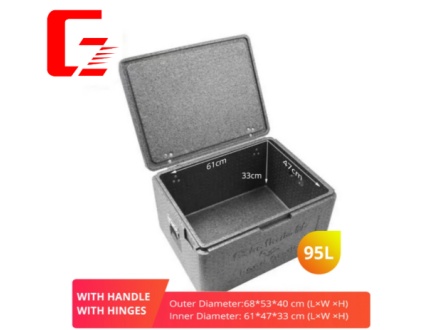
Aluminum suitcases represent premium durability, but they come with trade offs.
Aspect | EPP Suitcase | Aluminum Suitcase |
Durability | Excellent shock absorption | Exceptional structural strength |
Weight | Very lightweight | Heavier |
Price | Moderate | Significantly higher |
Scratch Resistance | Good (less noticeable due to texture) | Excellent |
Flexibility | High flexibility | Minimal — rigid |
Strength & Rigidity:
Aluminum excels in rigidity and scratch resistance, protecting contents well against sharp external forces. However, its rigidity means it transfers impact forces directly to contents unless well cushioned internally.
Weight & Portability:
Aluminum is typically heavier than EPP, making it less ideal for long journeys where weight matters.
Soft shell luggage is flexible and often more expandable, but how does protection compare?
Aspect | EPP Suitcase | Fabric Luggage |
Protection | High impact protection | Moderate — less protection for fragile items |
Weight | Lightweight | Very lightweight |
Expandability | Limited | High — expandable compartments |
Water Resistance | Good (often waterproof surface) | Varies — may require coating |
Storage Flexibility | Moderate | Excellent — flexible pockets and expansion |
Protection:
EPP offers far superior protection for delicate items compared with fabric luggage, which may flex under pressure.
Flexibility & Storage:
Fabric luggage excels where expansion and external pocket storage are priorities, but the trade off is less structural protection.
When comparing luggage materials, consider the following:
Frequent travelers benefit more from durable materials like EPP or polycarbonate, which withstand rough handling.
If you carry electronics, fragile items, or heavy gear, strong shock absorbing materials like EPP are ideal.
If you travel often with tight airline weight requirements, lightweight materials like EPP and polycarbonate help you avoid extra fees.
While ABS and fabric options may be cheaper upfront, materials like EPP and polycarbonate tend to deliver better long term value.
EPP suitcases offer a compelling mix of durability, lightweight performance, and excellent impact protection. Compared with traditional materials like ABS, polycarbonate, aluminum, and fabric luggage, EPP stands out for its resilience and ability to recover after repeated impacts — a key consideration for travelers who value both reliability and comfort.
At Guangzhuo (Tianjin) Packaging Technology Co., Ltd., we specialize in advanced luggage materials and solutions tailored to diverse travel needs. Our expertise in developing and selecting high performance materials like EPP ensures that your luggage not only protects your belongings but also enhances your overall travel experience.
Whether you're designing your next product line or choosing luggage for your own journeys, we’re here to provide insights and premium materials that deliver lasting value. Contact us today to explore how our EPP solutions and material expertise can support your goals and elevate your luggage offerings.
Are EPP suitcases more durable than polycarbonate luggage?
Yes, EPP suitcases tend to rebound from impacts better due to their foam structure, while polycarbonate may dent under force.
Why are lightweight suitcases important for travel?
Lightweight luggage like EPP reduces overall weight, helping you stay under airline limits and making travel more comfortable.
Can EPP suitcases protect fragile items?
Absolutely — EPP’s shock absorbing properties make it an excellent choice for protecting fragile items during travel.
How do EPP suitcases compare in cost to aluminum luggage?
EPP suitcases are generally more affordable than premium aluminum luggage, offering a good balance of durability and value.


