

Views: 0 Author: Site Editor Publish Time: 2026-01-28 Origin: Site
When it comes to traveling with valuable or fragile equipment — whether it’s professional AV gear, sensitive electronics, camera systems, musical instruments, or specialized tools — choosing the right type of luggage can make all the difference. Traditional suitcases and bags serve most leisure travelers adequately, but for those who require superior protection, flight cases and EPP suitcases have become the preferred solution. These heavy duty cases are engineered to withstand rough handling, sudden impacts, and rigorous transport conditions that are commonplace in air travel and touring environments.
In this comprehensive guide, we’ll compare flight cases and regular luggage across multiple dimensions: durability, protection, cost, usability, weight, and long term value. We’ll also discuss how EPP suitcases — a specialized type of protective luggage made from Expanded Polypropylene — fit into this comparison. Whether you’re transporting fragile electronics or deciding on the best travel solution for your professional gear, this detailed analysis will help you make a confident, informed decision.
At Guangzhuo (Tianjin) Packaging Technology Co., Ltd., we understand the importance of luggage that protects and lasts. Our expertise in EPP and advanced packaging solutions informs much of the real world insight in this article, but the perspective here is practical and focused on helping you understand which luggage choice is best for your needs.
Flight cases are heavy duty protective containers originally designed for transporting equipment on airplanes — hence the name. They are widely used in industries such as:
Music and entertainment (for instruments and audio equipment)
Broadcast and film (for cameras and lighting gear)
Exhibitions and trade shows (for displays and electronics)
Industrial applications (for specialized tools)
Flight cases typically feature:
Rigid exterior panels (often plywood, aluminum, or composite materials)
Reinforced corners and edges
Protective foam interiors or customized padding
Heavy duty latches, locks, and handles
Stackable designs with recessed hardware
These features work together to absorb shocks, resist crushing, and protect contents from environmental stress.
Regular luggage includes suitcases, wheeled travel bags, duffel bags, and soft shell luggage designed for everyday personal travel. These are usually built with:
Fabric (nylon, polyester)
Lightweight plastics (ABS, polycarbonate)
Standard zippers or latches
Less robust structural protection compared to flight cases
Regular luggage is designed for clothing, personal items, and general travel goods. While fine for everyday use, it is not inherently built to protect fragile or high value equipment during rigorous transport conditions.
EPP suitcases — short for Expanded Polypropylene suitcases — are a newer category within protective luggage. EPP is a cellular, foam like material that combines:
Lightweight construction
High impact absorption
Shape memory (returns to original form after pressure)
Thermal stability
These qualities make EPP a strong contender in protective travel gear, offering the shock resistance of flight cases with significantly lower weight.
When it comes to transporting valuable or fragile equipment such as cameras, drones, musical instruments, or sensitive electronics, the protection and durability of your luggage are paramount. Whether you're traveling for business, working on set, or going on a personal trip with valuable tech, the right luggage material can significantly impact how well your belongings are protected during transit.
Different luggage materials and designs offer varying levels of protection. Flight cases and EPP suitcases are among the best options when protecting fragile or high-value items. These materials are designed to provide superior resistance against impacts, environmental factors, and mishandling by airport staff or during shipment.
Luggage Type | Impact Protection | Structure Integrity | Best Use Case |
Flight Cases | Excellent | Highly rigid | Professional gear |
EPP Suitcase | Very Good | Flexible yet strong | Fragile gear & electronics |
Polycarbonate Luggage | Good | Slight flex | General travel |
ABS Luggage | Moderate | Rigid but brittle | Entry level travel |
Fabric Luggage | Low | Minimal structure | Clothing & soft items |
Flight Cases: Built for extreme protection — rigid panels and custom foam interiors absorb shocks and prevent damage even in rough handling scenarios.
EPP Suitcases: Provide excellent resilience through material flexibility. Unlike rigid materials, EPP deforms under stress and returns to shape, reducing permanent damage. They excel for moderate impact protection while remaining lightweight.
Polycarbonate and ABS Luggage: Polycarbonate offers better impact resistance than ABS but both pale compared to flight cases and EPP in terms of protection for delicate gear.
Fabric Luggage: Offers minimal protection against impact or crushing forces.
While flight cases provide exceptional protection, they come with a trade-off in weight. Flight cases are typically heavier due to the metal or aluminum reinforcements, and the added structural support makes them bulkier. For travelers with weight restrictions (such as those flying with certain airlines) or those who need to carry their gear over long distances, these heavy cases can become a burden. Moreover, flight cases, while durable, tend to be less convenient for everyday travel when portability matters.
In contrast, EPP suitcases strike a perfect balance between protection and portability. Some advantages of EPP suitcases include:
Much lighter than flight cases, making them easier to carry and transport
Still offer excellent shock absorption, providing adequate protection for most fragile or valuable items like electronics, cameras, and tools
Compact and convenient, EPP suitcases are ideal for general travel and frequent flyers who require a lightweight, highly protective option without the bulk of a flight case
For professionals or travelers who need to move equipment regularly but want to avoid the added weight and bulk of traditional flight cases, EPP suitcases are a compelling alternative. Their lightweight nature and impact resistance make them an excellent choice for those who require protection for sensitive gear without the burden of heavy luggage.
Luggage Type | Weight | Portability | Best Use Case |
Flight Cases | Heavy | Bulky, less portable | Professional equipment & fragile gear |
EPP Suitcases | Light | Highly portable | Tech gear, electronics, frequent travel |
Polycarbonate Luggage | Moderate | Easy to carry | General travel |
ABS Luggage | Light to Moderate | Portable | Budget travel |
Fabric Luggage | Very light | Highly portable | Clothing, casual travel |
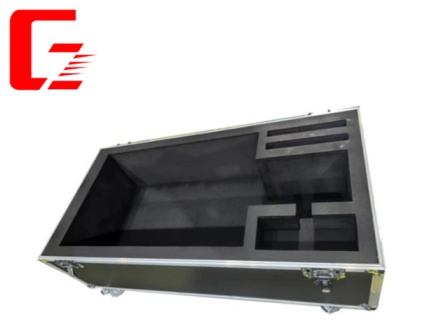
Typically, flight cases are more expensive due to:
Heavy duty materials
Custom foam interiors
Reinforced hardware
EPP suitcases usually fall into a moderate cost bracket — more than typical travel luggage but often less than custom flight cases. When considering lifetime value:
Flight cases are worth the investment for professional or high risk transport
EPP suitcases offer strong protection at a lower cost
Regular luggage wins on price but lacks protection
Flight Cases: Often custom built for specific gear (e.g., camera rigs, studio equipment). Foam interiors can be tailored precisely to dimensions.
EPP Suitcases: May also be customized, but usually at a modular level rather than deep foam carving. They suit general protective needs.
Regular Luggage: Limited customization beyond internal compartments.
Travelers often ask: “Will my gear survive checked luggage handling?” The answer depends on:
Frequency of travel
Value and fragility of contents
Likelihood of rough handling
Flight cases are nearly unmatched for heavy gear touring or professional shipping. EPP suitcases shine when you need solid protection plus travel convenience. Regular luggage works for clothing and general items but should not be relied upon for high value fragile goods.
When deciding between flight cases and regular luggage, the key consideration is protection level relative to your travel needs. Flight cases excel in extreme protection and customization, ideal for professionals transporting sensitive equipment across long distances or rough handling. Regular luggage is lightweight and cost effective for everyday travel but offers limited protection for fragile items.
EPP suitcases provide an excellent middle ground — offering substantial impact resistance, lightweight construction, and good flexibility for general travel scenarios. Whether you’re a frequent flyer, a touring professional, or someone carrying valuable tech, understanding these differences will help you choose the right luggage solution for your lifestyle and gear.
At Guangzhuo (Tianjin) Packaging Technology Co., Ltd., we specialize in luggage materials and design solutions that cater to diverse protection requirements — including EPP suitcases tailored for durability and performance. If you’re evaluating luggage options for your next trip or product line, our experts can help you find the best balance of protection, weight, and long term value.
Are EPP suitcases as protective as traditional flight cases?
EPP suitcases provide very strong shock absorption and flexibility, but custom flight cases generally offer the highest level of rigid protection for ultra fragile professional equipment.
Can I use an EPP suitcase for checked airline travel?
Yes, due to their durable core material and impact resistance, EPP suitcases are excellent for checked luggage, especially when protecting sensitive electronics.
Why is polycarbonate often preferred over ABS for luggage?
Polycarbonate offers better flexibility and impact resistance than ABS, making it more resilient under stress, though both are less protective than EPP or flight cases.
Is flight case protection worth the extra cost?
For professionals transporting high value or sensitive contents frequently, the enhanced protection and customization of flight cases are often worth the investment.


