Views: 0 Author: Site Editor Publish Time: 2026-05-17 Origin: Site
The modern workspace has fundamentally evolved over the last decade. Trade professionals, mobile mechanics, and site managers no longer rely on static workstations. Work happens everywhere today. Professionals repair equipment on rugged factory floors. They fix appliances in residential kitchens. They manage installations across sprawling construction sites.
However, scattered tools create massive hidden bottlenecks. You might leave essential gear across various job sites. You might lock valuable instruments in distant workshop cabinets. These misplaced resources constantly erode billable hours. Searching for equipment drains your team's energy and reduces overall daily output.
Transitioning to a mobile tool storage system is not just an organizational choice. It is a strategic investment in workflow efficiency, asset security, and professional credibility. You will learn how disorganization silently drains your revenue. We will explore the core advantages of bringing your equipment directly to the task. Finally, you will discover actionable criteria for selecting the perfect mobile setup.
Quantifiable efficiency: Having tools immediately accessible reduces the downtime associated with "last-mile" tool retrieval.
Asset protection: Rugged, weather-resistant materials and integrated locking mechanisms prevent environmental damage and job-site theft.
Reduced cognitive load: Compartmentalized, standardized layouts free up mental bandwidth, allowing professionals to focus on the task rather than searching for equipment.
Lifecycle value: Investing in commercial-grade portable storage significantly lowers the Total Cost of Ownership (TCO) compared to repeatedly replacing lost tools or broken, low-tier boxes.
Inefficiency carries a steep financial penalty. We often ignore the cost of minor delays. However, time truly equals money in professional trades. Imagine searching for misplaced tools for just 30 minutes a day. This seemingly small delay translates to roughly ten hours of lost productivity over a single month. If you bill at a standard hourly rate, this wasted time strips hundreds of dollars directly from your bottom line. Disorganization turns high-paid technicians into warehouse searchers.
A disorganized workspace actively threatens team safety. Tools left out on floors create immediate tripping hazards. Unstable surfaces easily drop heavy equipment onto workers. Industry compliance frameworks heavily emphasize clear walkways and proper storage. You risk severe workplace accidents when tools lack a dedicated storage space. Injuries lead to increased insurance premiums. They also cause massive project delays. Organizing your gear prevents these predictable physical hazards.
Visual clutter drastically increases frustration and fatigue. Modern trades demand high precision. Constantly searching for the right wrench exhausts your mental bandwidth. We call this the "cognitive drain." A disorganized environment negatively impacts team morale. Your brain must work harder to filter out visual noise. This mental fatigue leads to careless mistakes during complex repairs. Standardized storage eliminates this friction. It allows professionals to dedicate 100% of their focus to the actual task.
Mobile storage systems directly eliminate back-and-forth trips to the primary tool crib. Professional work involves a lot of movement. You might park your truck far from the actual repair site. Carrying loose tools causes physical strain. A reliable Portable Toolbox bridges this crucial "last mile." The tools move safely with the operator. You can navigate a massive construction site effortlessly. You can wheel your gear right into a client's living room. Everything you need remains within arm's reach.
Clients judge your competence before you even start working. The way you handle your equipment sends a powerful visual signal. A streamlined, well-organized toolkit immediately communicates reliability. It shows you respect your tools and the client's property. Contrast this professional aesthetic with poor alternatives. Dumping loose tools from a plastic bucket looks amateurish. Digging through a disorganized canvas bag destroys client confidence. Polished organization helps secure repeat business and referrals.
A well-structured system adapts to unpredictable conditions. Professionals rarely work in a single controlled environment. A high-quality mobile system easily transitions across diverse landscapes. You might pull it from the back of a truck in the morning. Later, you roll it across a rugged factory floor. The right storage solution maintains your workflow regardless of the location.
Chart: Traditional Storage vs. Mobile Storage | ||
Operational Factor | Traditional Static Cabinets | Mobile Storage Systems |
|---|---|---|
Tool Retrieval | Requires repeated walking trips | Immediate access at the task site |
Client Perception | Invisible to the end client | Highly visible, builds instant trust |
Space Utilization | Consumes dedicated workshop floor space | Compact, nests easily in vehicles |
Task Focus | Interrupted by travel time | Continuous workflow maintained |
Choosing the right material dictates the lifespan of your storage. High-density, weather-resistant plastics offer excellent waterproofing. They remain lightweight for frequent manual lifting. This makes them ideal for outdoor technicians. Conversely, heavy-duty aluminum or steel provides maximum impact resistance. Metal excels in industrial workshops where heavy machinery operates. You must balance the need for extreme durability against the necessity of daily lifting.
Poor wheels ruin a good storage system. You must assess the quality of the mobility hardware before buying. Workshop floors require heavy-duty locking casters. These keep the unit perfectly still during precision work. Construction sites demand large, all-terrain wheels. Small casters simply sink into mud and gravel. Additionally, look for reinforced, ergonomic handles. Good handles distribute weight evenly. They prevent wrist strain when navigating stairs or ramps.
Evaluate systems offering customizable compartments. Your ultimate goal is creating a dedicated "place for every tool." Standardized internal architecture drastically improves speed. You can easily prioritize highly accessible universal tools. This reduces your reliance on bulky specialty tools. Modular designs let you swap out specific trays based on the day's specific job.
Protecting your assets requires robust security features. Review the latch systems carefully. Look for universal padlock compatibility. Many modern systems feature single-action closing mechanisms. Drawers lock automatically during transit. This prevents accidental spills in the back of your van. Solid access control deters unauthorized users from borrowing expensive gear without permission.
Best Practice: Group tools by workflow rather than simply by type. Store wire strippers next to electrical tape.
Common Mistake: Overloading top compartments. This makes the entire unit top-heavy and prone to tipping.
Best Practice: Always engage wheel locks when working on an incline.
Common Mistake: Ignoring weather seals. Ensure your system features a rubber gasket if you work outdoors.
Many buyers hesitate regarding the upfront price of premium models. Cheap plastic bins look tempting on the shelf. However, high-quality systems prevent a continuous cycle of frustrating replacements. Broken latches and cracked hinges halt your work. Investing in commercial-grade storage yields tremendous lifecycle value. A premium unit lasts for decades. You pay once for quality rather than buying inferior products every single year.
You can easily calculate a strong return on investment based on asset protection alone. Losing tools happens frequently on chaotic job sites. People borrow items. Items roll away. A dedicated storage slot instantly tells you if a tool is missing before you leave the site. Losing just a few mid-range hand tools annually quickly eclipses the cost of premium storage. Secure compartments actively stop this financial leakage.
Your professional needs will inevitably grow. You will acquire new diagnostic equipment and specialized gear over time. Modular systems scale effortlessly alongside your career. They allow users to add components without replacing the base unit. You can easily attach radios, vacuums, or extra drawers. This flexibility prevents you from outgrowing your initial storage investment.
Not all brands survive brutal field conditions. You should look for a transparent portable toolbox manufacturer. Reliable vendors openly share their load-bearing limits. They publish their drop-test results and weather-sealing standards. Look for specific IP ratings for water and dust resistance. A vendor hiding their material specifications often cuts corners in production.
A strong warranty indicates immense product confidence. Evaluate the vendor’s warranty terms carefully. Normal wear and tear will eventually stress moving parts. A confident manufacturer will back hinges, latches, and wheels with comprehensive long-term guarantees. Fast after-sales support ensures you quickly get replacement parts if an accident occurs on site.
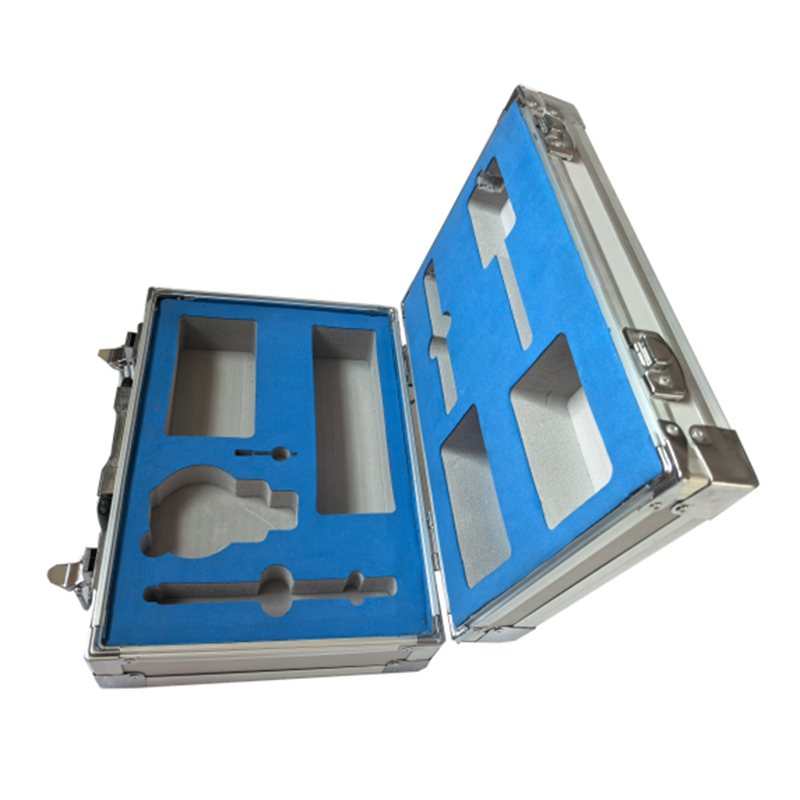
Customization matters deeply for B2B buyers and fleet managers. Standardizing equipment across a workforce requires specialized features. Assess whether the manufacturer offers customized internal foam routing. Foam inserts protect sensitive measurement tools from vibration. Branded colorways help distinguish your company's gear on crowded multi-contractor job sites.
Before engaging with vendors, you need a clear procurement strategy. Follow these structured steps to ensure you select the perfect system:
Audit your current tool inventory: Measure your longest tools and heaviest power equipment.
Define the primary transport environment: Decide if you navigate smooth concrete or muddy construction sites.
Determine security requirements: Choose between simple latches or integrated heavy-duty locking bars.
Set a realistic budget: Factor in the replacement cost of your current loose tools.
A high-quality mobile storage unit operates as an active efficiency engine. It is never merely a passive container. It dictates the rhythm and speed of your daily workflow. Standardizing your tool organization heavily mitigates workplace safety risks. It actively protects your most valuable physical assets from theft and severe weather. Furthermore, it elevates your professional output and visual credibility.
Now is the time to evaluate your daily downtime. Track how many minutes you lose searching for basic hand tools this week. Take action by exploring modular, portable storage solutions that match your specific operational environment. Upgrading your storage system ultimately upgrades your entire professional career.
A: The best material depends strictly on your environment. Heavy-duty aluminum offers exceptional security and impact resistance for industrial workshop use. Conversely, impact-resistant polymers provide lightweight mobility and excellent weatherproofing. Plastic excels for technicians who constantly lift boxes in and out of vehicles.
A: Yes, but only if equipped with the proper mobility hardware. Small casters will fail in mud. We recommend choosing a system with minimum 9-inch, rubberized all-terrain wheels. These larger wheels easily roll over gravel, extension cords, and uneven dirt paths without tipping.
A: High-quality units feature integrated padlock eyes and heavy-duty metal latches. Standardized compartments let you instantly spot missing tools before leaving a site. Furthermore, their compact nature allows you to easily lock the entire unit securely inside a vehicle overnight.
A: Absolutely. Modular systems focus on scalability and tailored workflows. They allow professionals to effortlessly swap out specific tool kits based on the job of the day. You can add extra drawers or specialty boxes as your tool collection grows over time.