

A flight case is a heavy-duty protective container that is used to transport equipment safely, especially during travel, such as for musical instruments, audio/visual gear, electronics, and other sensitive equipment. Flight cases are typically designed with durability in mind, ensuring that the items inside remain intact even under the rough conditions of air travel or long-distance shipping. They are often used by musicians, filmmakers, event organizers, and manufacturers who need to protect delicate equipment from impact, weather conditions, and physical damage.
Durable Construction: Flight cases are often constructed with strong materials like plywood, aluminum, and high-density foam. The outer shell is typically reinforced to withstand shocks, drops, and rough handling during transport.
Customizable Interior: The interior of a flight case is usually lined with foam padding or compartments to securely hold specific items in place. This ensures that delicate equipment, such as sound equipment or instruments, does not shift around during travel, reducing the risk of damage.
Reinforced Hardware: Flight cases feature high-quality hardware, including heavy-duty latches, handles, and locks. These components are designed to handle the stresses of travel, ensuring that the case stays securely closed and that its contents are protected from theft or unauthorized access.
Stackability and Portability: Many flight cases are designed to be stackable, allowing them to be efficiently stored and transported. This is especially important when multiple cases need to be moved together. Additionally, most flight cases have built-in handles and wheels, making them easier to transport, especially when carrying heavy equipment.
Music and Audio Equipment: Musicians and audio technicians rely on flight cases to protect valuable instruments, amplifiers, and recording equipment during travel. These cases ensure that instruments like guitars, keyboards, and microphones are shielded from external damage.
Film and Photography Equipment: Film production companies and photographers use flight cases to safeguard their cameras, lenses, tripods, and other essential equipment while traveling to various locations for shoots. The secure padding inside these cases ensures that high-end equipment remains intact, even during bumpy transportation.
Electronics and Technology: Flight cases are also commonly used for electronics such as computer servers, audio-visual equipment, and testing devices. The rugged exterior and customizable interior help prevent damage from environmental factors like moisture, dust, or physical shock.
Trade Shows and Events: When companies participate in trade shows, exhibitions, or live events, they use flight cases to protect display equipment, promotional materials, and technology. These cases allow for safe and organized transport of fragile or expensive items to various event locations.
Protection from Damage: The primary benefit of using a flight case is protection. The durable construction and custom interior compartments help minimize the risk of damage from impacts, vibrations, or environmental elements during transit.
Convenience: Flight cases are designed with practicality in mind, offering features like stackability, wheels, and handles to make transportation easier. This makes them ideal for frequent travelers, ensuring smooth and efficient handling of equipment.
Long-Term Durability: Flight cases are built to last, even with repeated use. The tough exterior and high-quality hardware are engineered to withstand years of wear and tear, ensuring that your valuable equipment stays safe for a long time.
Cost-Effective: Although flight cases represent an upfront investment, they are cost-effective in the long term. By protecting your equipment and minimizing the likelihood of damage during transit, flight cases can save you money on repairs or replacements.
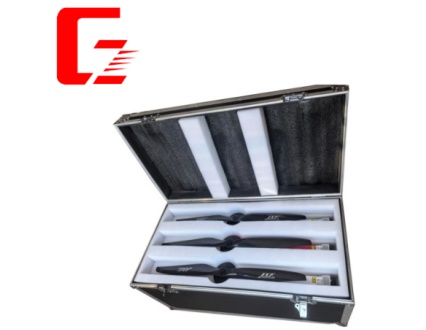
When selecting a flight case, it’s vital to take a thoughtful approach, as the wrong case could lead to damage during transportation, which can be costly and time-consuming. The right flight case should offer adequate protection and be compatible with your equipment. Here are key factors to consider when choosing a flight case for your valuable gear:
When selecting a flight case, the most critical factor is ensuring it is the correct size for your equipment. An improper fit can have detrimental effects, potentially causing damage during transportation or making the process of handling the equipment more difficult.
The flight case must match the exact dimensions of your equipment. A case that is too large will allow the equipment to shift around, which can result in potential scratches, dents, or even functional damage. Conversely, a case that is too small will force the equipment to be crammed inside, which can lead to stress on the gear, damage the equipment, or even break the case itself. Therefore, it's essential to ensure that the case is sized appropriately for your equipment’s length, width, and height.
Once you have the right size, ensure that the case offers sufficient protection through adequate padding or foam inserts. These materials cushion your equipment, providing protection from impacts and vibrations during transport. Foam inserts can also be customized to securely hold items in place, preventing any internal shifting. Additionally, adjustable compartments are a great feature to look for in a flight case. They allow for better organization of smaller accessories such as cables, adapters, or additional equipment. This organizational flexibility ensures your entire setup stays in place and remains protected throughout its journey.
Key Takeaway:
A flight case that fits perfectly ensures your equipment is secure and protected during transport, reducing the likelihood of damage. Always choose a case that offers flexibility with compartments and padding for added protection, particularly for fragile or sensitive equipment.
The material used in the construction of a flight case will directly impact its ability to protect your equipment. Materials that are strong and durable, but not excessively heavy, are ideal.
Plywood with Aluminum Edges: Many flight cases use plywood with aluminum edges, offering a good balance between strength and weight. This makes them more manageable for frequent handling and transit.
Metal Frames for Extra Protection: For industries or environments that require maximum durability, you may need cases with reinforced metal frames. These cases offer additional protection, especially in the case of extreme handling or exposure to harsh conditions.
Every piece of equipment is unique, and your flight case should reflect that. Many manufacturers offer the ability to customize your flight case to meet specific needs.
Custom Foam Inserts: Many flight cases come with customizable foam inserts, which ensure a snug fit for your equipment. This is especially beneficial for sensitive or irregularly shaped items that need extra protection.
Adjustable Compartments: For versatility, look for cases that allow you to modify compartments, so you can fit various types of equipment or accessories inside.
Branding and Aesthetics: If branding is important to your company or you want a sleek look, choose a supplier that offers exterior branding or customization options.
The level of protection required depends on the specific use case and the value of the equipment being transported.
Heavy-Duty Protection: For high-value or fragile equipment (such as electronics, musical instruments, or photographic gear), consider a case with reinforced corners and extra padding.
Light Protection: For less sensitive equipment, a basic flight case may be sufficient, but make sure it still provides a solid level of protection from dust, dirt, and impacts.
While it’s tempting to go for the most robust option available, keep in mind that the heavier the case, the more cumbersome it will be to transport. Look for a case that balances durability and weight, ensuring that it’s easy to carry or move without sacrificing the protection of your equipment.
Summary Table
Factor | Considerations |
Size and Compatibility | Ensure the case fits the equipment, with adequate padding or compartments to prevent movement during transit. |
Material Strength | Choose between plywood with aluminum edges for light to medium-duty protection or metal frames for extra durability. |
Customization Options | Look for customizable foam inserts, adjustable compartments, and external branding options. |
Durability and Protection | Choose cases with reinforced corners or extra padding for fragile items. |
Weight and Portability | Consider the weight of the case for ease of transport, while ensuring the protection level remains sufficient. |
Flight cases are essential for protecting valuable equipment during travel and transport. Their durability, customizability, and practicality make them ideal for industries like music, film, and technology, where protection against damage is crucial. By understanding the key features and applications of flight cases, you can ensure that your equipment stays safe and functional during transport.
At Guangzhou (Tianjin) Packaging Technology Co., Ltd., we offer a wide range of high-quality flight cases tailored to the needs of various industries. Our cases are designed to provide maximum protection while ensuring ease of transport. Contact us today to learn more about our products and find the perfect flight case for your equipment.
What is a flight case used for?
A flight case is used to protect and transport valuable equipment, such as musical instruments, cameras, audio-visual gear, and electronics, during travel.
Are flight cases customizable?
Yes, flight cases can be customized to fit specific equipment and provide extra protection with features like foam inserts or adjustable compartments.
Can a flight case protect fragile equipment?
Flight cases are specifically designed to protect fragile equipment by offering shock resistance, cushioning, and environmental protection.
How long do flight cases last?
Flight cases are built to be durable and long-lasting, often providing reliable protection for many years, even with frequent use.


