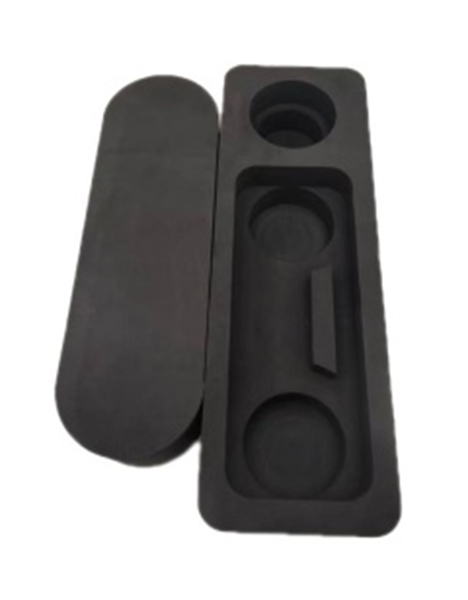
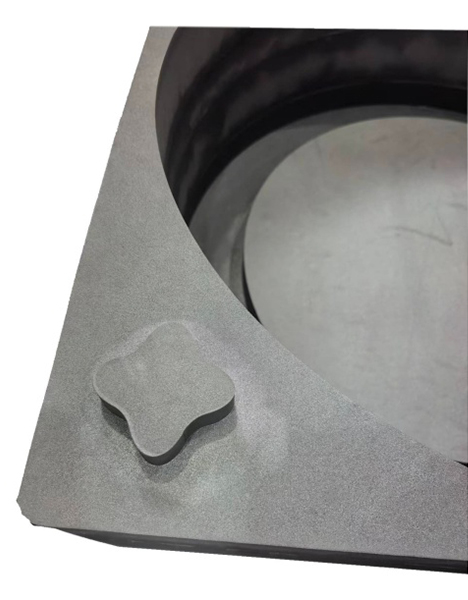
Unlike lighter foams (EPE/EVA), PU foam can handle heavier items (up to 10kg) without compressing permanently, making it ideal for tools, sensors, or medical devices where even minor damage disrupts operations. Its resistance to water, chemicals, and temperature fluctuations also makes it a reliable choice for industrial storage or outdoor transit. For businesses that can’t afford to risk damaged equipment (or costly downtime), this insert is a critical, long-lasting protective layer.
Base Material: Industrial-grade PU Foam (polyurethane foam), with EVA or EPE alternatives for lighter applications. PU foam is selected for its high density (30-60 kg/m³) and impact resistance—perfect for heavy, precision gear.
Size & Shape Adaptability: Fully customizable for complex, multi-component items—from a set of calibration tools (with slots for gauges and probes) to a small medical device (e.g., a portable ultrasound probe). We use 3D scanning for irregular shapes to ensure every nook and cranny is protected, no gaps.
Specialized Add-Ons: Optional anti-static coatings (for electronics/semiconductors), fire-retardant treatments (for industrial settings), and UV-stable finishes (for outdoor storage)—tailored to meet industry-specific needs.
MOQ (Minimum Order Quantity): 10pcs—suitable for labs, factories, or medical facilities ordering inserts for specialized equipment (e.g., 12 inserts for new lab centrifuges) or replacing worn-out foam in existing cases.
Sample Lead Time: 7 working days from design finalization. Samples include density testing reports (to confirm weight-bearing capacity) and your chosen add-ons (e.g., anti-static coating), so you can verify performance before full production.
Bulk Production Time: 20-30 working days, with priority processing available for critical orders (e.g., replacing damaged inserts for a production line to avoid downtime).
Packaging for Inserts: Industrial-grade protection—inserts are wrapped in anti-static bubble bags (for electronics) or water-resistant film (for outdoor gear) and packed in reinforced cartons (with pallet options for large orders, e.g., 500+ inserts for a factory).
High-Density Shock Protection: PU foam’s dense cellular structure absorbs heavy impacts (e.g., a 5kg tool case dropped from 1m), protecting items like precision sensors, industrial gauges, or medical devices from internal damage.
Extreme Wear Resistance: Resists tearing, punctures, and compression set—ideal for frequently used cases (e.g., a technician’s toolbox opened 50+ times monthly) or long-term storage (2+ years in warehouses).
Water & Chemical Resistance: Repels water and resists mild chemicals (cleaning solutions, oils, solvents), making it safe for medical tools (exposed to disinfectants) or industrial equipment (stored near oils).
10kg Weight-Bearing Capacity: Supports weights up to 10kg without permanent compression—perfect for heavier items like small power tools, lab centrifuges, or automotive diagnostic equipment.
Global Regulatory Compliance: Our PU foam meets strict industry standards, including RoHS (for electronics), ISO 10993 (for medical devices), and UL94 V-0 (fire-retardant for industrial use). This ensures it’s suitable for regulated industries where non-compliant packaging leads to fines, project delays, or product recalls.
Long-Term Cost Efficiency: While PU foam has a slightly higher upfront cost than EPE/EVA, its durability means it doesn’t need frequent replacement. For a factory using 50 tool cases, this saves up to 30% on packaging costs annually (vs. replacing EPE foam every 6 months).
Precision for Complex Gear: Unlike generic foams, PU foam can be cut to fit multi-component items (e.g., a tool set with 15+ pieces, a medical kit with probes and cables) with mm- level accuracy, eliminating movement and reducing damage risk to sensitive parts.
The PU Foam Insert is trusted in industries requiring heavy-duty, reliable protection:
Precision Instruments: Liners for calibration tools, optical devices (mini microscopes), and industrial sensors—preventing damage to sensitive components that affect accuracy (e.g., a 0.1mm error in a gauge renders it useless).
Medical Equipment: Inserts for portable devices (blood glucose monitors, ultrasound probes), dental tools, and lab equipment—meeting hygiene standards (easy to wipe clean) and protecting delicate parts from disinfectant damage.
Industrial Tools: Liners for power tool sets, automotive repair tools, and construction gear—supporting weight and resisting wear from rough use (e.g., tools dropped in a workshop).
Aerospace & Defense: Inserts for small aerospace components (e.g., sensor modules) or military tools—withstanding the rigors of high-impact transit (air cargo) or extreme temperatures (-20°C to 60°C).
Electronics Manufacturing: Protection for circuit boards, semiconductors, and industrial controllers—with anti-static options to prevent electrostatic discharge (ESD) damage, which ruins electronics.
A1: Yes—we offer medical-grade PU foam compatible with common sterilization methods: ethylene oxide (EtO), gamma radiation, and autoclaving (up to 121°C). This foam meets ISO 10993-5 (cytotoxicity) and ISO 10993-10 (irritation) standards, making it safe for devices that come into contact with skin or bodily fluids (e.g., dental tools, surgical probes).
A2: Absolutely. We offer densities from 30-60 kg/m³: 30-40 kg/m³ for lightweight precision tools (e.g., gauges), 40-50 kg/m³ for medium-weight medical devices (e.g., ultrasound probes), and 50-60 kg/m³ for heavy industrial gear (e.g., small power tools). Our team will recommend a density based on your product’s weight and protection needs, and include a density test in your sample to confirm performance.
A3: When stored in a cool, dry environment (15-25°C, <60% humidity), PU foam retains its protective properties for 5+ years. It doesn’t degrade, attract mold, or lose resilience over time—ideal for equipment stored in warehouses, emergency kits, or backup tool cases. For outdoor storage (e.g., construction gear), our UV-stable option prevents discoloration or brittleness from sunlight, extending lifespan to 3+ years.